
01
BUS
Business & Service Websites
For businesses that need professional service pages, lead generation, credibility, and easy day-to-day content management.
We build professional WordPress websites for businesses that need a flexible content management system without sacrificing design quality, performance, structure, or technical control.
We do not choose WordPress simply because it is popular. We use it when its content management, flexibility, ecosystem, and long-term maintainability match what the business actually needs.
For businesses that need professional service pages, lead generation, credibility, and easy day-to-day content management.
Ideal when articles, insights, news, case studies, resources, or frequently changing information are central to the website.
Useful for teams that regularly need landing pages, campaign content, conversion pages, or new service sections.
A strong option when content needs to be managed clearly across multiple languages and markets.
WordPress can connect with forms, CRM systems, analytics, booking tools, email platforms, APIs, and business services.
A structured WordPress build can evolve with new pages, services, languages, content, and functionality over time.
Complex web applications, highly specialized workflows, unusual real-time systems, or projects with architecture that clearly benefits from another technology should be evaluated differently. We choose the platform around the project—not the project around the platform.
We structure WordPress so routine content changes remain manageable while the important parts of the design and system stay controlled. Your team gets freedom where it makes sense without turning every page into an easy-to-break free-for-all.
Update text, images, contact information, service details, and normal page content without editing code.
Manage blog posts, categories, authors, featured images, and editorial content through WordPress.
Repeat useful content patterns without rebuilding layouts from scratch every time.
Editable content does not mean every visual rule needs to become editable or easy to break.
Different team members can receive access appropriate to the work they actually need to perform.
New pages, content types, sections, languages, and features can be introduced as the website grows.
WordPress itself is only the platform. The quality of the final website depends on how the theme, components, content structure, plugins, assets, database, and technical responsibilities are organized around it.
A structured theme layer keeps presentation, functionality, and project-specific code organized instead of spreading logic across random plugins and snippets.
Repeated interface patterns are built as reusable components so the website remains consistent and easier to extend.
Pages, posts, taxonomies, custom fields, and content types are modeled around how information actually needs to be managed.
Plugins are selected for a clear responsibility. We avoid unnecessary overlap, excessive dependencies, and adding a plugin for every small feature.
Forms, content, integrations, and website data are organized so responsibilities remain understandable as the project grows.
The foundation is prepared for future pages, languages, integrations, campaigns, and functionality without rebuilding everything from zero.
A WordPress website can be fast and technically strong when the build is disciplined. We control unnecessary weight, structure assets carefully, and prepare the technical foundations search engines and users depend on.
CSS, JavaScript, fonts, images, and third-party assets are loaded deliberately instead of allowing unnecessary resources to accumulate.
Correct image dimensions, modern formats where appropriate, lazy loading, and sensible delivery reduce avoidable page weight.
Page, browser, object, and server-level caching can be applied based on the hosting environment and website requirements.
We avoid unnecessary data growth and keep recurring WordPress operations in mind when selecting plugins and functionality.
Heading hierarchy, content landmarks, links, and HTML structure help users and search engines understand each page.
The website is prepared for controlled titles, descriptions, canonical behavior, sitemaps, robots rules, and indexability.
Where relevant, the architecture can support structured data for organizations, services, articles, FAQs, products, and other content types.
Analytics and conversion measurement can be integrated so performance is not judged by appearance alone.
WordPress can connect website interactions with the tools your business already uses. The right integration removes repetitive work, improves data flow, and makes the website more useful beyond the browser.
Send enquiries and customer information into the systems your sales or service team already uses.
Conditional forms, quote requests, applications, uploads, qualification flows, and custom lead collection.
Connect appointments, consultations, lessons, reservations, or scheduling workflows directly to the website.
Connect newsletter subscriptions, lead nurturing, campaign tools, transactional email, and marketing platforms.
Measure important interactions such as enquiries, calls, bookings, purchases, downloads, and campaign activity.
Where appropriate, WordPress can support payment flows, deposits, subscriptions, donations, or transaction-based functionality.
Exchange information with external platforms when the project requires data or functionality beyond WordPress.
Trigger useful workflows after website actions instead of manually moving information between systems.
WordPress evolves. Themes, plugins, PHP versions, integrations, browsers, and security requirements change over time. Ongoing maintenance keeps those moving parts under control instead of waiting for something to break.
WordPress core, themes, and plugins are kept current with compatibility and stability in mind.
Regular backups create a recovery path when content, code, configuration, or integrations need to be restored.
Configuration, access, file permissions, authentication, and exposed functionality are reviewed with security in mind.
Website availability, important failures, and technical signals can be monitored instead of relying only on customer reports.
PHP, server configuration, SSL, caching, storage, and infrastructure should match what the WordPress project requires.
Administrator access and user permissions are kept appropriate to reduce unnecessary risk.
Forms, integrations, links, scheduled tasks, and important functionality should remain healthy after launch.
When something changes or a new requirement appears, there is a technical team that already understands the website.
Maintenance is about understanding dependencies, testing important changes, keeping recovery options available, and knowing which parts of the system are responsible for what.
An existing WordPress website may need a targeted cleanup, a technical migration, a redesign, or a complete rebuild. We first determine what is worth preserving and what is creating more problems than value.
For websites where the foundation is still usable but the technical stack, plugins, configuration, performance, or structure need attention.
Keep the useful content and platform while rebuilding the visual experience, page structure, conversion paths, and frontend.
Move the website to a new domain, server, hosting environment, or infrastructure while protecting content and important functionality.
When accumulated technical debt makes repair less sensible, we preserve valuable content and data while rebuilding the foundation properly.
The visual website is only one part of the project. We also define how content is managed, which components are reusable, what belongs in WordPress, what should be custom, and how the system can remain maintainable after launch.
We define business goals, users, current systems, content needs, integrations, website responsibilities, and technical constraints.
We determine what content exists, what needs to be created, which content types repeat, and how editors should manage them.
Theme structure, custom functionality, plugins, fields, taxonomies, integrations, and data responsibilities are mapped before the system becomes complicated.
Reusable page components are designed around the content model so consistency and editing flexibility work together.
The frontend, CMS structures, templates, functionality, integrations, and technical foundations are implemented.
Existing or new content is placed into the new structure carefully, including redirects or migration requirements where relevant.
We test important workflows, responsive behavior, editing, forms, integrations, performance, and production configuration before launch and handover.
The value of WordPress is not that every project looks the same. It is that the CMS and technical foundation can be shaped around different businesses while remaining manageable and extendable.

A service-focused website structured around multiple languages, driving lesson information, local visibility, and lead generation.
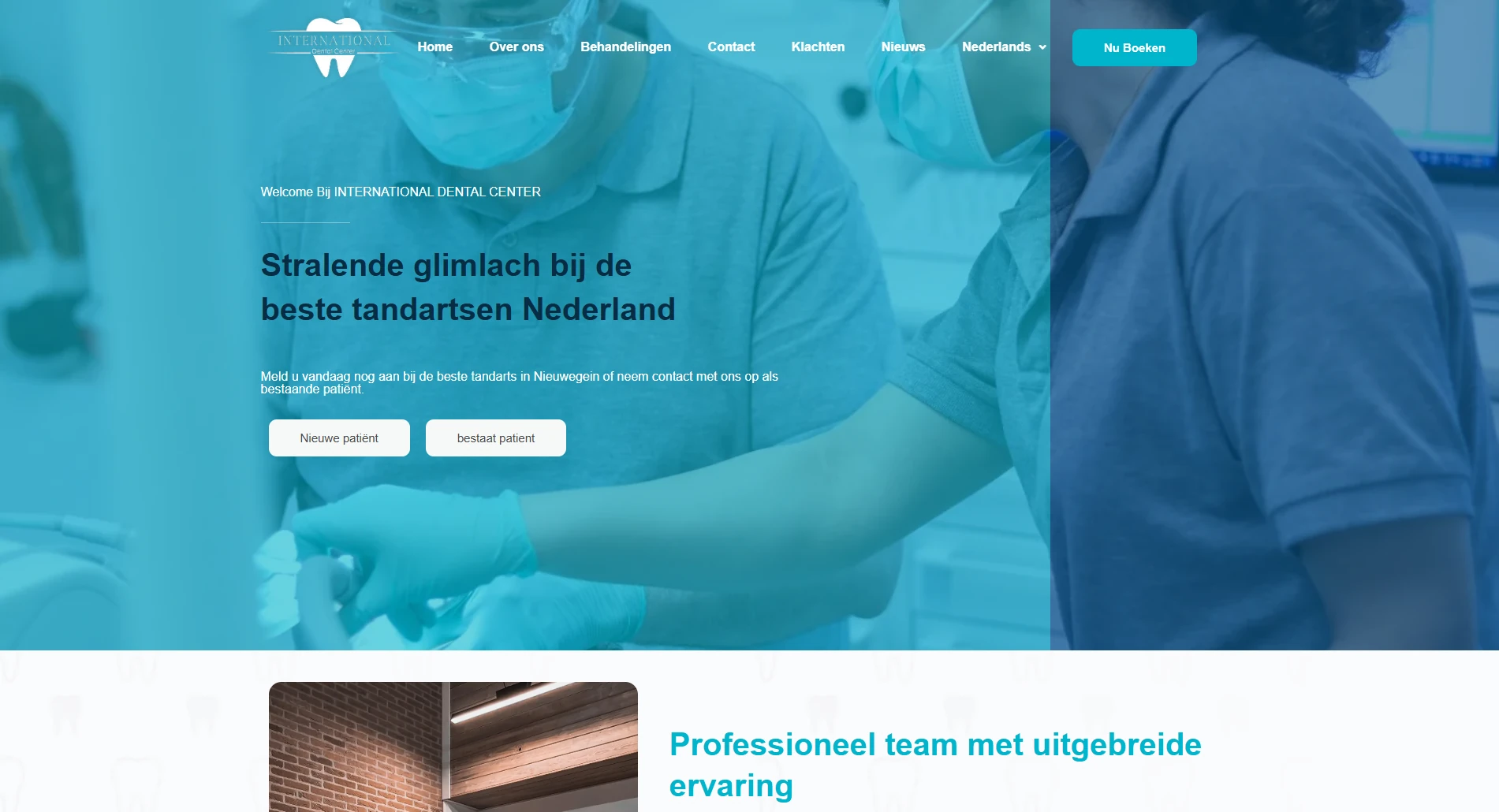
A healthcare website focused on treatment information, patient trust, clear navigation, and making appointment enquiries easier.
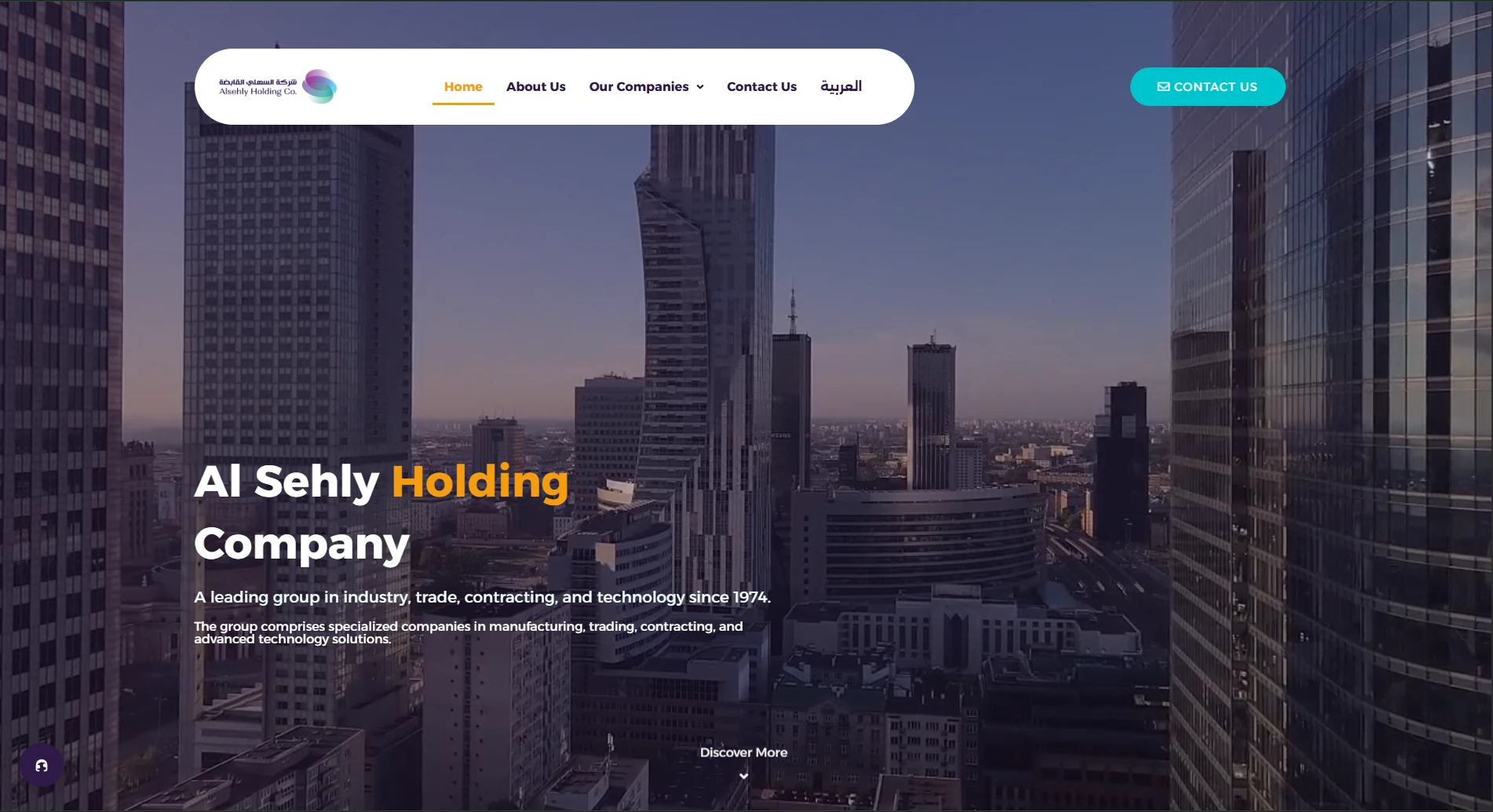
A structured corporate presence designed to communicate company activities, organizational scale, and credibility clearly.
Platform choice, plugins, editing, performance, SEO, migrations, security, maintenance, and ownership all matter more than simply asking whether a website uses WordPress.
No. WordPress is a strong choice for many business, content, marketing, multilingual, and integration-driven websites, but highly specialized applications or unusual workflows may benefit from a different architecture.
Yes, where appropriate. We structure routine content such as text, images, articles, services, and other managed information so your team can update it without editing code while important design and technical rules remain protected.
The build approach depends on the project. We do not treat a page builder as the architecture itself. The priority is a maintainable system, controlled components, appropriate editing freedom, and sensible performance.
Yes. Performance depends heavily on implementation: theme architecture, plugin choices, images, scripts, fonts, caching, hosting, database behavior, and third-party services all influence the result.
WordPress can provide an excellent SEO foundation, but the platform alone does not create rankings. Site structure, content quality, metadata, indexability, internal linking, performance, schema, and ongoing SEO work still matter.
Yes. We can assess whether the existing website should be cleaned up, redesigned, migrated, partially rebuilt, or replaced with a cleaner WordPress foundation.
Yes. Domain, hosting, server, SSL, database, files, DNS, email dependencies, redirects, and integrations can all be reviewed as part of a controlled migration.
Yes. WordPress can be structured for multilingual content, translated navigation, localized URLs, language-specific metadata, and different market content where required.
There is no useful universal number. What matters is what each plugin does, its quality, dependencies, overlap with other plugins, database behavior, frontend impact, update history, and whether the functionality should be custom instead.
The website can remain with Tech Resolve for hosting, updates, backups, monitoring, technical support, improvements, integrations, and future development.
Tell us what the website needs to do, who needs to manage it, what systems it should connect to, and where the business is heading. We’ll help define whether WordPress is the right fit and how it should be built.